
Reliable Solutions for North Shore Plumbing Needs
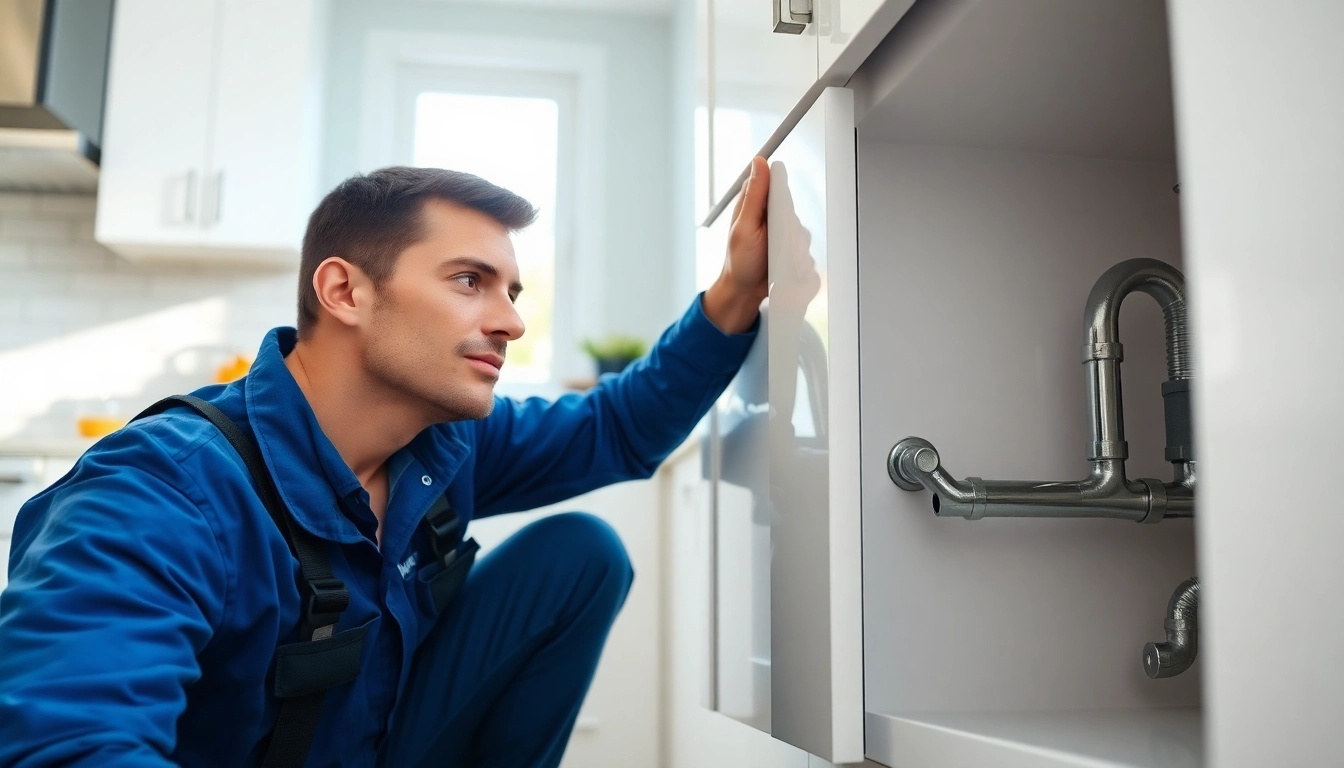
Understanding North Shore Plumbing Services
The realm of north shore plumbing encompasses a wide range of services and solutions specifically catered to the needs of homeowners and businesses in the North Shore area. This regional focus means that plumbing services must take into account the unique environmental factors, building codes, and community standards that characterize this vibrant locale. Whether you are dealing with routine maintenance, unexpected repairs, or the installation of new fixtures, understanding the various frameworks of plumbing in the area is essential for making informed decisions.
What is North Shore Plumbing?
North Shore plumbing refers to plumbing services located in and around the North Shore region. This area encompasses several communities known for their distinct residential and commercial needs. North Shore plumbing includes various services such as installation, repair, maintenance, and emergency plumbing work. Local plumbers possess valuable insights into the specific plumbing issues faced by North Shore residents, which can significantly differ from those in other regions. For instance, the coastal environment may lead to unique challenges like water pressure variations and corrosion control that are specific to the area.
Common Plumbing Issues in the North Shore Area
Homeowners in the North Shore frequently encounter certain plumbing issues that are either exacerbated by geographical factors or prevalent due to seasonal changes. Some of the most common problems include:
- Clogged Drains: Leaves, debris, and other materials can easily accumulate in outdoor pipes, leading to significant clogs.
- Pipe Corrosion: The saltwater environment can accelerate corrosion, particularly in older pipes.
- Water Pressure Problems: Fluctuations in water pressure can occur due to overgrown tree roots infiltrating pipes.
- Winter Freeze Issues: In colder months, pipes are susceptible to freezing if not adequately insulated, causing potential leaks and bursts.
Importance of Professional Plumbing Services
While DIY repairs may seem appealing for minor plumbing problems, the involvement of professional plumbing services can save time, money, and stress in the long run. Professionals are trained to diagnose issues accurately, adhere to local building codes, and utilize the right techniques and materials for repairs or installations. Moreover, their expertise ensures that problems are resolved fully, minimizing the likelihood of future complications.
Choosing the Right Plumbing Contractor
When facing plumbing needs, selecting a qualified contractor is paramount. With numerous service providers available, one must approach this decision thoughtfully to ensure quality work and peace of mind.
Key Qualities to Look For
To find a suitable plumbing contractor, pay particular attention to the following qualities:
- Licensure and Certification: A licensed plumber adheres to safety and quality standards mandated by local and state regulations.
- Experience: Look for contractors with a proven track record, as experience often translates to efficient problem-solving.
- Customer Service: A responsive contractor demonstrates commitment through prompt communication and a customer-centric approach.
- Insurance Coverage: Ensure the contractor holds liability and workers’ compensation insurance to protect you from potential liabilities.
Questions to Ask Before Hiring
Before committing to a plumbing contractor, consider asking these essential questions:
- What is your experience with projects similar to mine?
- Can you provide references from previous clients?
- Do you offer warranty coverage on work performed?
- What is your response time for emergencies?
Evaluating Plumbing Service Reviews
Reviews and testimonials can provide insight into a plumbing contractor’s reliability and effectiveness. When evaluating reviews, focus on specific details such as the quality of work, punctuality, and responsiveness. Websites and local community forums can serve as valuable resources, offering unfiltered perspectives from previous clients.
Preventive Plumbing Maintenance Tips
Investing time in preventive maintenance can significantly reduce the risk of severe plumbing issues down the line. By adopting proactive measures, homeowners can save money and extend the lifespan of their plumbing systems.
Routine Checks for Common Issues
Implement routine checks to proactively address potential problems before they escalate. Suggested tasks include:
- Inspecting exposed pipes for leaks or corrosion.
- Testing for water leaks beneath sinks and behind appliances.
- Examining water pressure and temperature consistency.
Seasonal Plumbing Maintenance Guide
Seasonal changes can impact home plumbing. A seasonal maintenance checklist might include:
- Winter: Insulate exposed pipes to prevent freezing.
- Spring: Clear gutters to avoid water overflow impacting foundation drainage.
- Summer: Check for leaks around outdoor fixtures.
- Fall: Prepare your plumbing for winter by draining outdoor hoses and shutting off valves if necessary.
Effective Ways to Prevent Clogs
Clogs can often be prevented with a few simple habits:
- Avoid pouring grease down drains.
- Use drain guards to collect hair and debris.
- Regularly flush drains with hot water and vinegar to reduce buildup.
Emergency Plumbing Situations
Despite the best preventive measures, plumbing emergencies can still occur. Knowing how to react and manage the situation can mitigate damage and save costs.
Identifying Plumbing Emergencies
Common plumbing emergencies include:
- Major leaks that cause flooding.
- Loss of water pressure in all fixtures.
- Overflowing toilets or sewer backups.
- Frozen or burst pipes.
Steps to Take During a Plumbing Crisis
In the event of a plumbing emergency, take immediate action by:
- Shutting off the main water supply to limit damage.
- Contacting a professional plumber for urgent repair.
- Assessing the extent of the damage to facilitate the plumbing professional’s efforts.
How to Minimize Water Damage
To reduce water damage during an emergency, follow these steps:
- Turn off electricity to affected areas to prevent electrical hazards.
- Collect and remove excess water using mops, towels, or vacuum equipment.
- Open windows and doors to increase airflow and aid in drying.
Innovations in Plumbing Technology
The plumbing industry continues to evolve with technological advancements that enhance efficiency, safety, and environmental sustainability. Understanding these innovations can help homeowners make better decisions regarding their plumbing systems.
Latest Plumbing Tools and Equipment
The emergence of new plumbing tools enhances the speed and effectiveness of repairs. Examples include:
- Pipe Inspection Cameras: Allow plumbers to visualize and diagnose issues without invasive procedures.
- Hydro Jetters: Efficiently clear stubborn clogs using high-pressure water streams.
- Smart Leak Detectors: Alert homeowners of potential leaks before significant damage occurs.
Benefits of Smart Plumbing Fixtures
Smart plumbing fixtures offer numerous advantages, including:
- Water conservation through adjustable flow rates.
- Remote monitoring to detect leaks or irregular water usage.
- Smart faucets and toilets that can enhance user experience while optimizing water use.
Eco-Friendly Plumbing Solutions
Adopting eco-friendly plumbing solutions contributes to environmental conservation while delivering practical benefits:
- Low-flow fixtures reduce water usage.
- Rainwater harvesting systems assist with irrigation.
- Solar water heaters leverage renewable energy sources.
Frequently Asked Questions
What should I do if I have a plumbing emergency?
Shut off the main water supply, contact a professional plumber, and assess the damage to minimize further issues.
How often should I conduct plumbing maintenance?
It’s advisable to conduct plumbing maintenance at least once a year to identify and address potential issues proactively.
What are signs that I need to call a plumber?
If you notice persistent leaks, strange noises from pipes, or a sudden drop in water pressure, it’s time to call a plumber.
Can I fix plumbing issues myself?
While minor issues may be manageable, it’s best to consult a professional for significant repairs to avoid causing further damage.
What should I look for in a plumbing review?
Focus on feedback regarding quality of work, response time, customer service, and the contractor’s reliability for accurate insights.